DIGITAL EQUITY |
EDUCATION |
APRIL 2026 |
Digital Equity Isn't Just About Access—
It's About What Happens After
✍ By Chasity Stringer 📅 April 2026

| Digital equity starts with access, but it does not end there.

Let's be honest… When people talk about digital equity, the first thing that usually comes up is access. Do students have devices? Do they have internet?
Those things matter, but they are only part of the picture. In a real classroom, students can have full access to technology and still struggle to use it in a way that actually supports their learning.
▶
The Real Issue
Digital inequity does not always look like a student without a device.
Sometimes it looks like a student who cannot stay focused during a digital assignment, a student who does not understand how to navigate learning platforms, or a student who rushes through work without actually engaging. These students technically have access, but they are not experiencing meaningful learning.
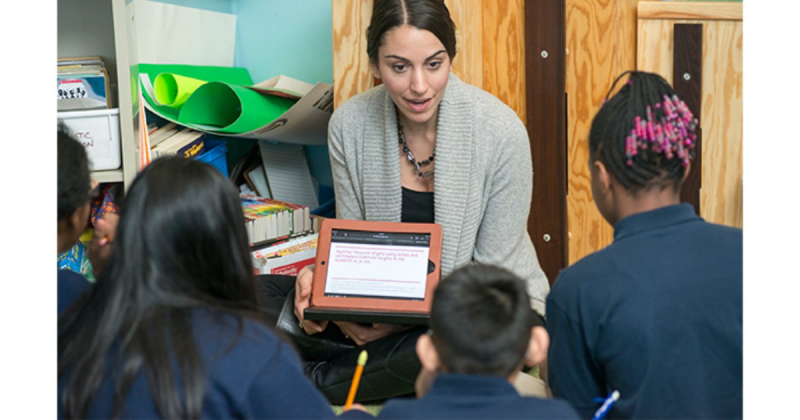
| Students often need guidance, modeling, and support—not just a device.
What This Looks Like in a Classroom
In the classroom, students interact with technology in very different ways.
Some students stay engaged, work independently, and use tools effectively. Others need redirection, get overwhelmed quickly, or avoid completing tasks.
"The expectation that all students will use technology in the same way creates a gap. Access does not automatically lead to understanding, engagement, or success."
Why This Matters
If digital equity is only defined by access, then many students are overlooked. Technology is supposed to support learning, but without structure and support, it can become another barrier.
When this happens, the gap between students grows—even when everyone has the same tools.
▶
What Needs to Change
Improving digital equity means changing how technology is used in the classroom. Schools and teachers can support students by:
| CLASSROOM STRATEGIES |
|---|
| > Modeling how to use digital tools |
| > Providing step-by-step support |
| > Offering different ways to complete assignments |
| >Building in time for practice |
| > Recognizing that students learn and engage differently |
Technology should support students, not become another barrier.
Call to Action
Instead of only asking the familiar question, educators need to ask something deeper:
Digital equity is about more than devices. It is about opportunity, support, and meaningful learning. If we want better outcomes, we have to design learning experiences that actually work for all students—not just some.

| Meaningful technology use requires access, support, and purposeful design.
Create Your Own Website With Webador